Tsundoku
The Japanese concept of tsundoku is the phenomeneon of acquiring books but letting them pile up without reading them. It’s a portmanteau of two Japanese words meaning “to pile things up ready for later and leave” and “reading books.”
The term is also used to refer to books ready for reading later when they are on a bookshelf. In the West it has a negative connotation of a hoarding mania with no realistic expectation of getting around to reading the books.
I’m choosing to use the more optimistic interpretation of “books are good, there’s no such thing as too many” and “I’m definitely more likely to read them if I have them on my bookshelf.”
Books, books, books
This is what I’m reading at the moment, have piled up to read in the future, or have read in the recent past. I started tracking my books in 2024 sometime.
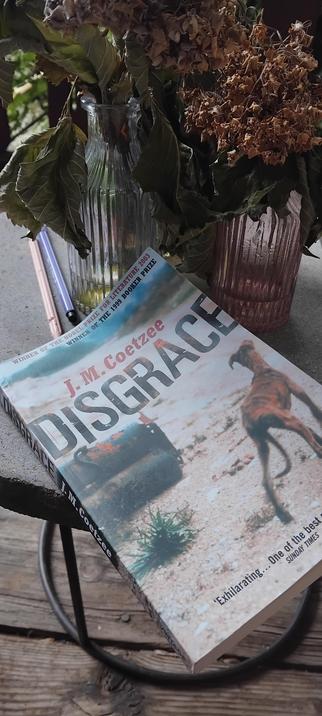
Disgrace - J.M. Coetzee
It’s been a while since I raced through a book in two days, but this is a gripping read. J.M. Coetzee’s Disgrace, the Booker Prize winner from 1999, has been knocking around my house for several years now. I don’t know why I was afraid to pick it up. I like that the edition I have is the classic one with the skinny dog photo on the cover.
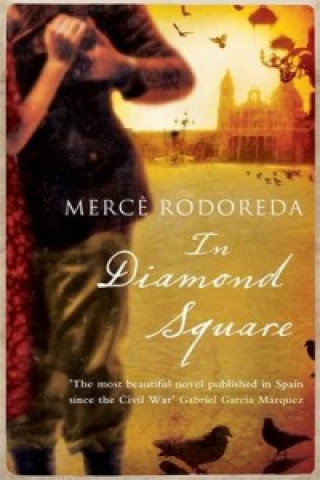
Plaça Diamant - Merce Rodoreda
The classic novel of Catalan literature, named for a square in the Villa de Gràcia neighbourhood where we used to live in Barcelona. This was the first book I tried to read in the original Catalan a long time ago and my level of the language wasn’t up to it. It seems it still isn’t - I had to read it in English in the end. Too much was being lost in glossing over the nuances.
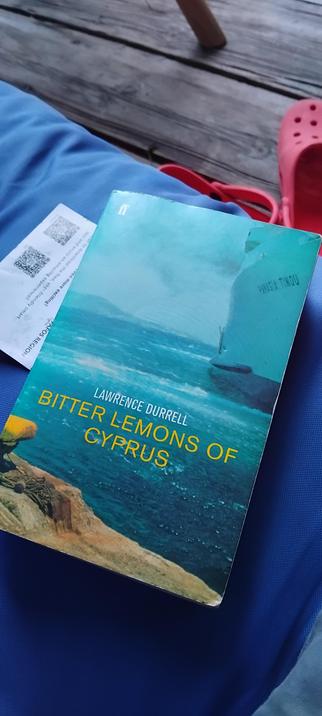
Bitter Lemons of Cyprus - Lawrence Durrell
I got back from holidays in Cyprus early this morning and just now finished reading Bitter Lemons of Cyprus, which outlines the author’s years there in the 1950s. Published in 1957, it gives a lot of background to the complicated political landscape of Cyprus, particularly in regard to the war there in 1974 and the continuing partition.
Has anyone read it? Any recommendations on anything else on the topic? Brb, jumping down a wiki rabbit hole.
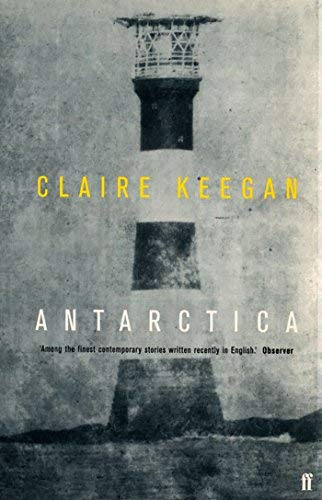
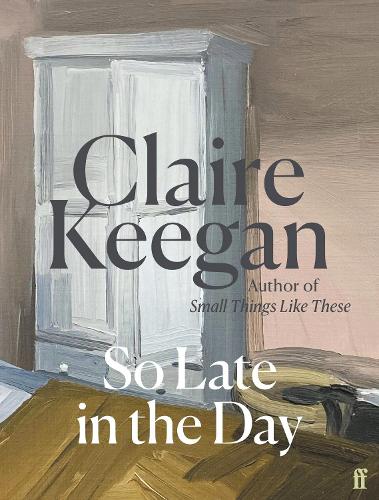
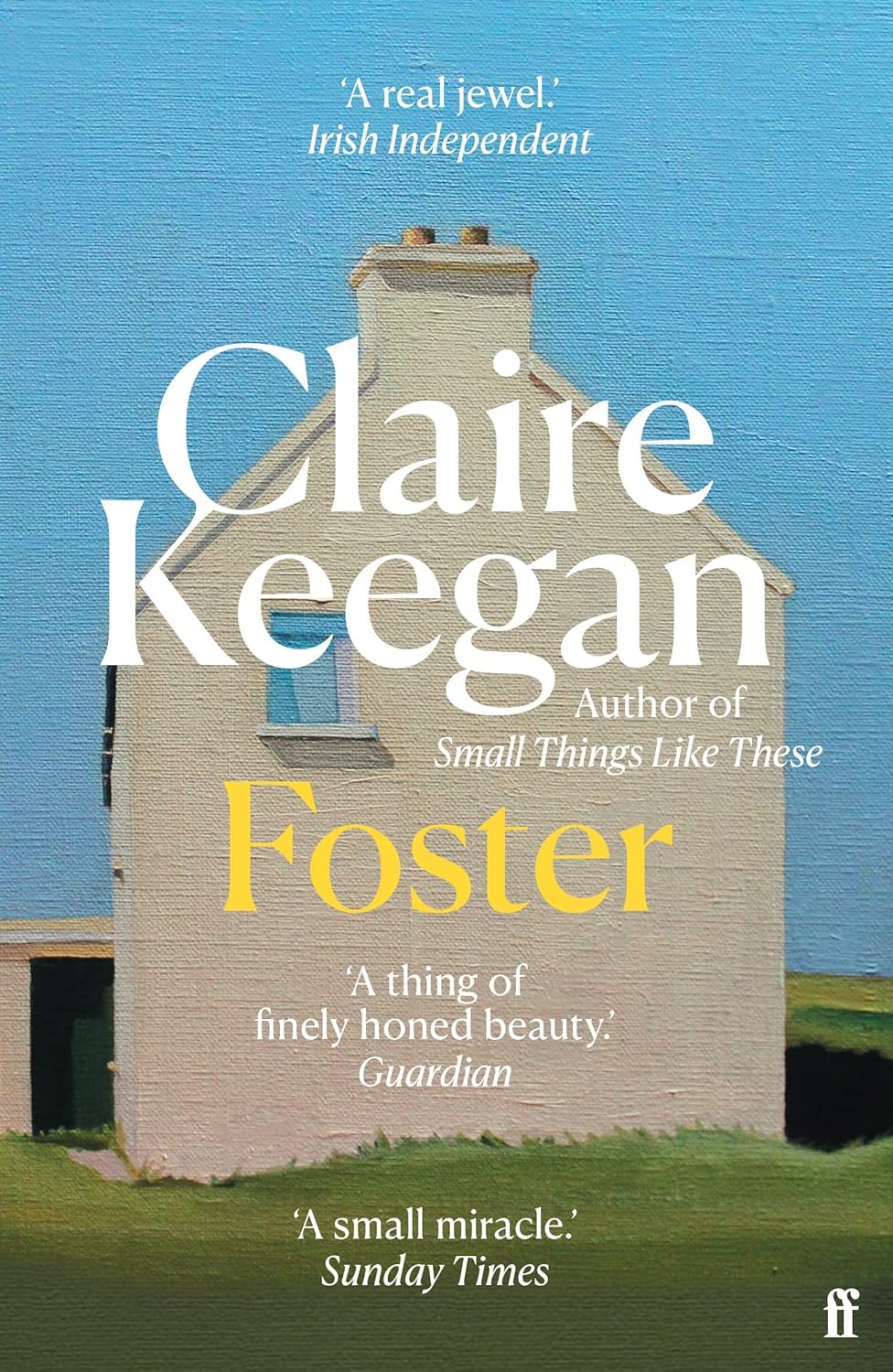
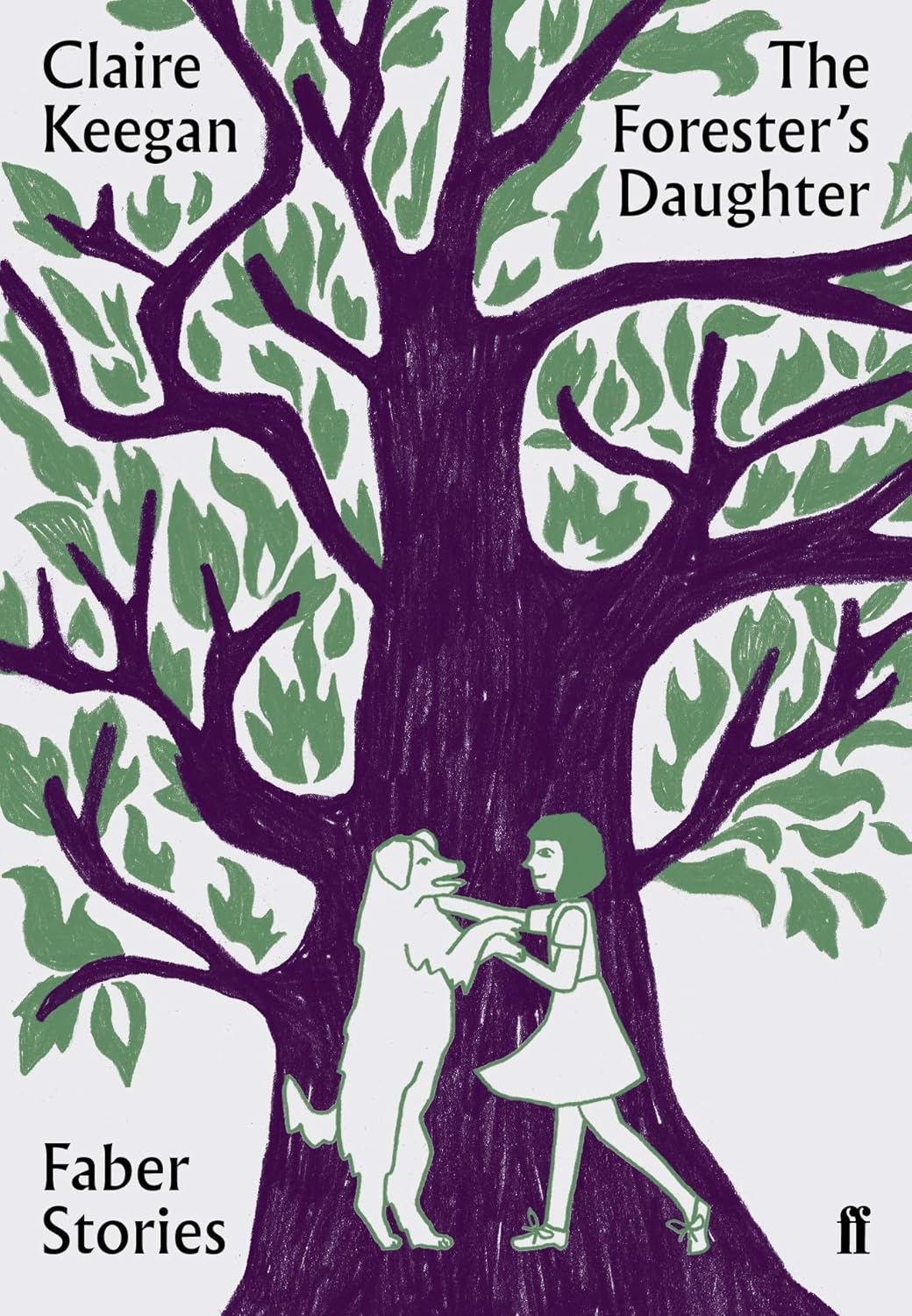
A lot of Claire Keegan
This summer I went through a stack of Claire Keegan books.
Antarctica, So Late in the Day, Foster, The Forester’s Daughter.
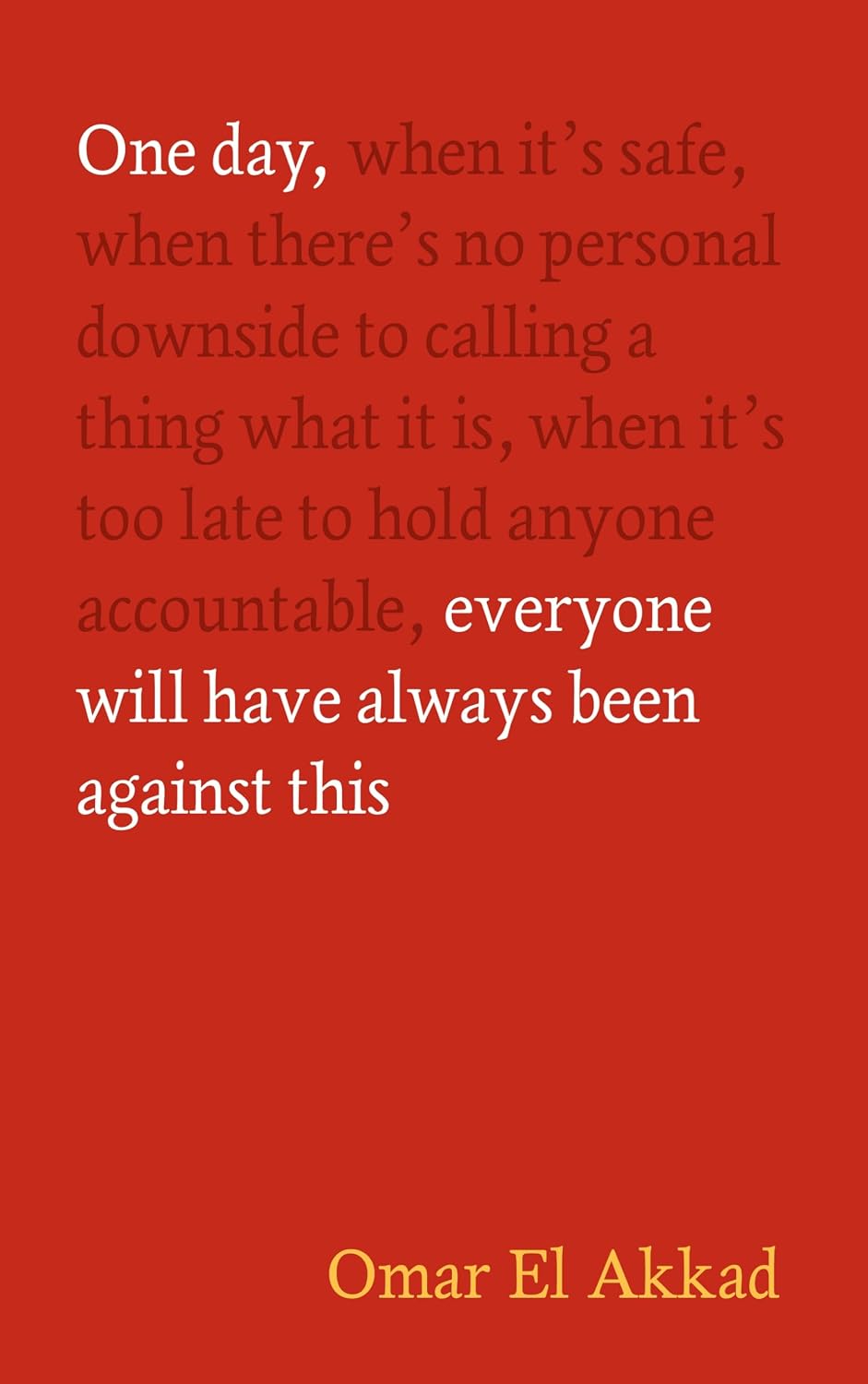
One Day, Everyone Will Have Always Been Against This - Omar El Akkad
An excoriation of the western world and the hypocritical distance between what it says about freedom and values and what it does - the imperialism and the excusing of genocide.
The expanded title, from a tweet, reads:
“One day, when it’s safe, when there’s no personal downside to calling a thing what it is, when it’s too late to hold anyone accountable, everyone will have always been against this.”
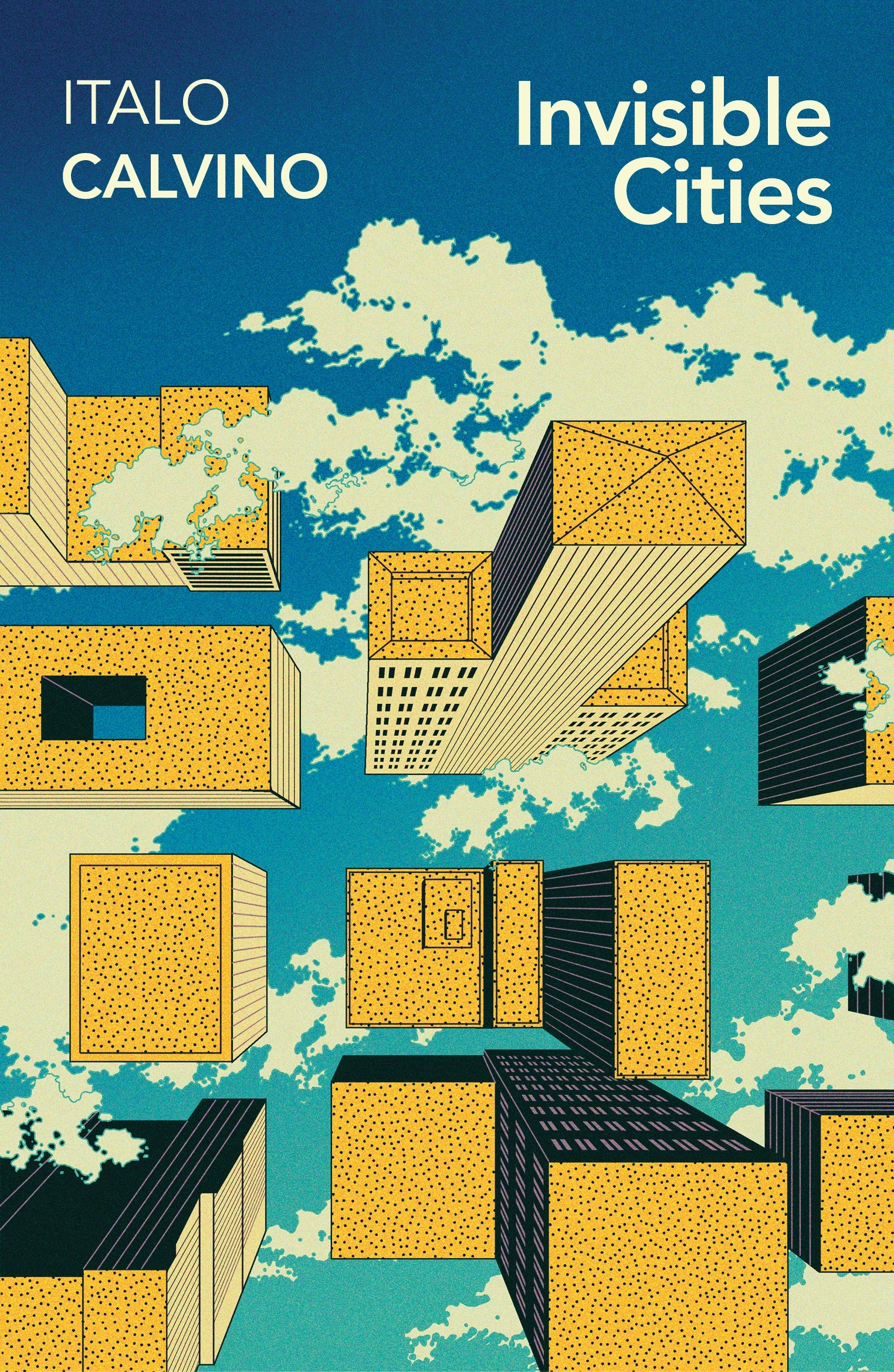
Invisible Cities - Italo Calvino
Pen pictures of fantastical cities, as imagined by Marco Polo and told to the emperor. All of them based on Calvino’s native Venice.
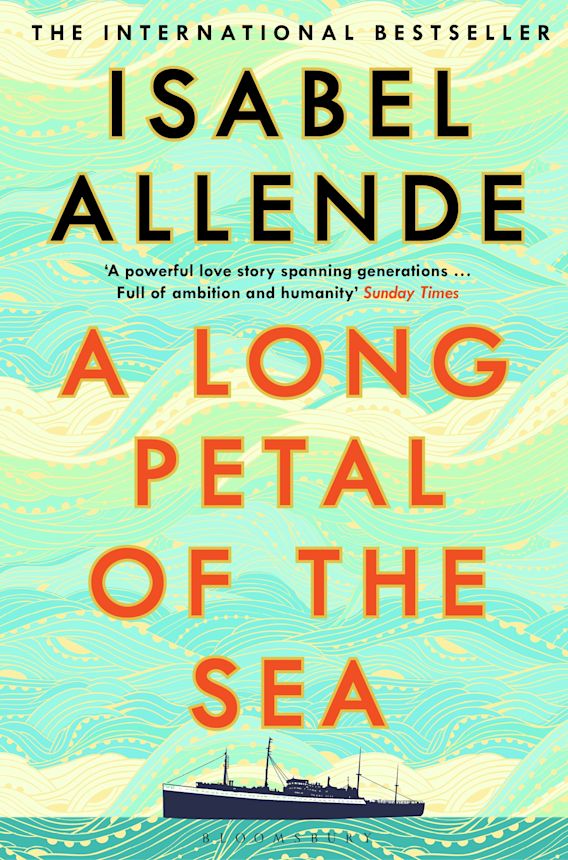
A Long Petal of the Sea - Isabel Allende
This book came to me in a very old-school way - in the post, with a handwritten letter! A friend had visited us in the mountains and I had given my little talks about the area, which tend a lot towards the stories I know of the Spanish civil war and the republicans who fled into exile up our valley and across the peaks to France in early 1939. Allende’s book is all about lives lived in exile in France, Chile, and Venezuela, and it begins with a Catalan family in the evacuation from Barcelona.
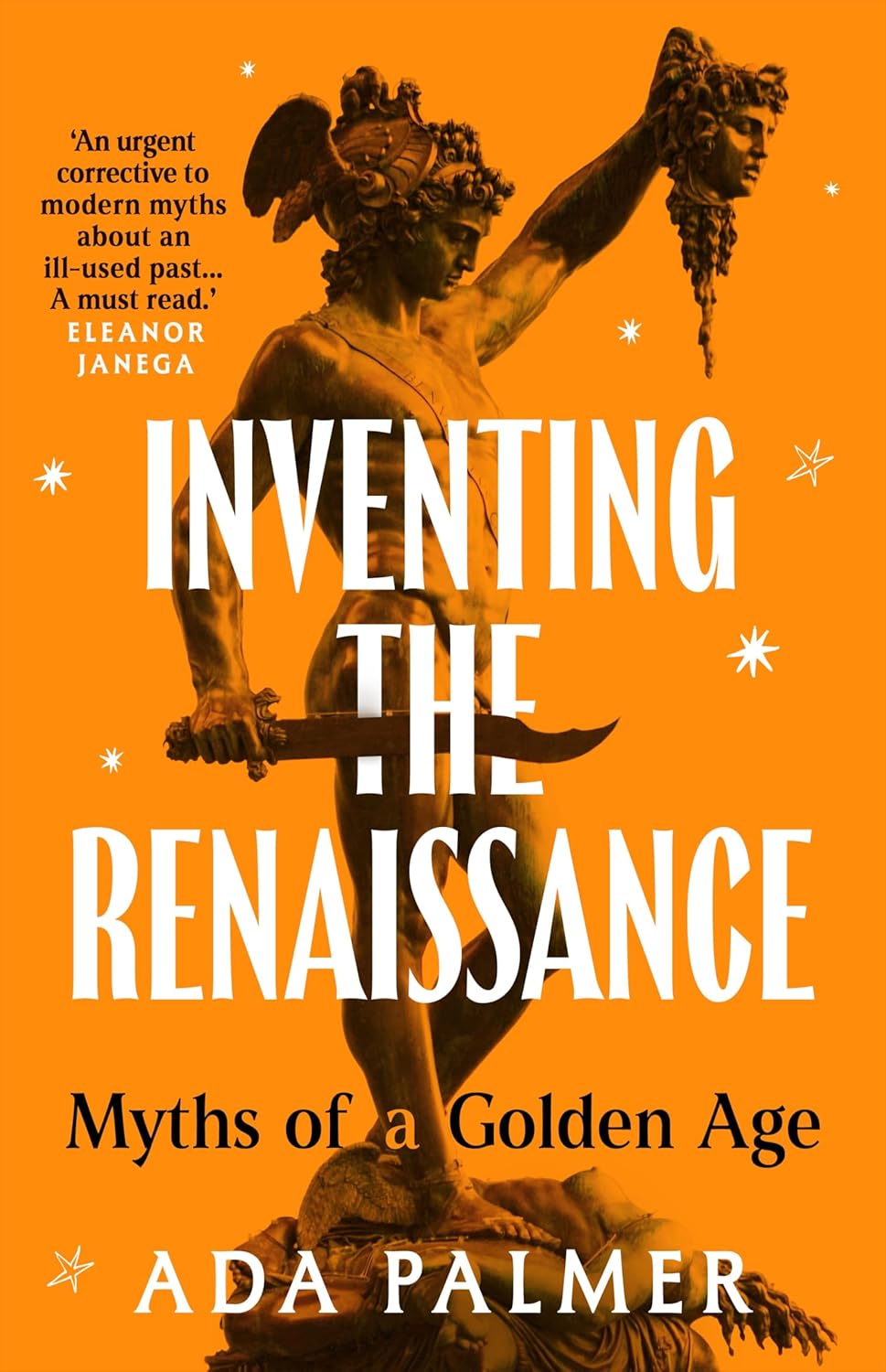
Inventing the Renaissance - Ada Palmer
I read this in fits and starts, not because it’s difficult or anything, but that it’s very chunky.
It’s quite the wild ride, playing with the idea of the Renaissance itself, that the ‘period of history known as the Renaissance’ is so baggy and easily redefined, that you can write and read into it whatever shade of history you want. It’s told in an informal way, with, for example, major characterS who share a common name being given jocular nicknames to distinguish them one from the other (The Battle Pope, and so on). The author is also on mastodon where she is hugely entertaining, with random little threads on various aspects of all that era of history. Check out her thread on the construction and politics of tbe Vasari corridor slicing through the skyline of medieval Florence.
Drystone A Life Rebuilt - Kristie De Garis
A memoir of a Scottish woman surviving family, racism, and misogyny in its various guises, to find a peace through building and restoring drystone walls. Very powerful, and not easy to read.

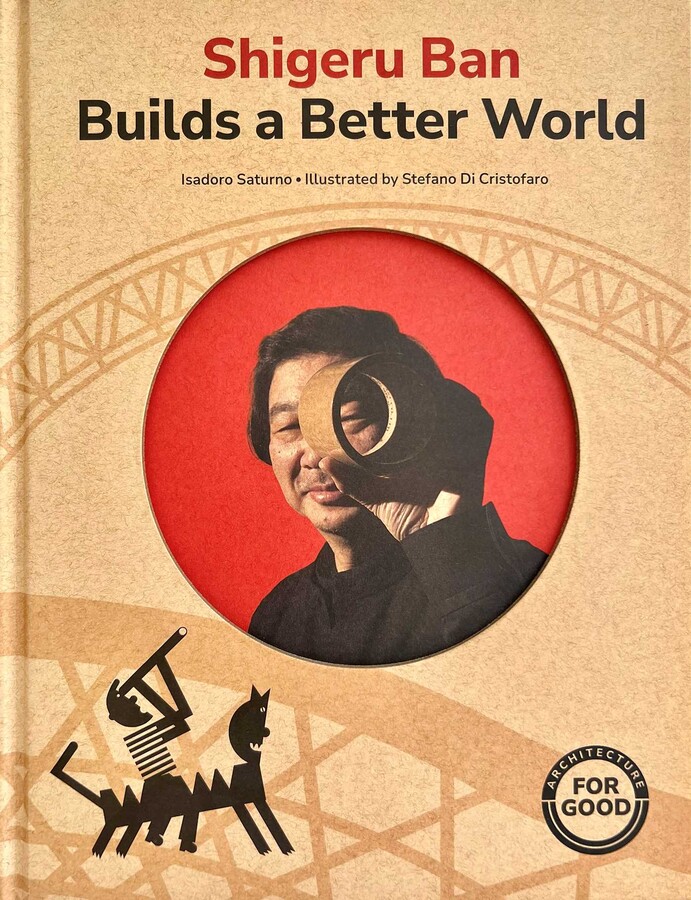
Builds a Better World - Shirgeru Ban
An architecture book for kids by the Japanese architect famous for his emergency-relief buildings, usually created in cardboard.
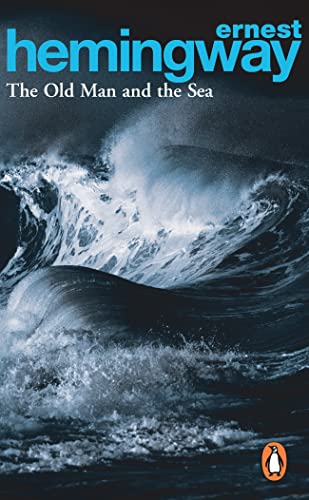
The Old Man and The Sea - Ernest Hemingway
Another one that I’ve read again after decades. Another writer about whom I may have to revise my belligerent youthful opinions.
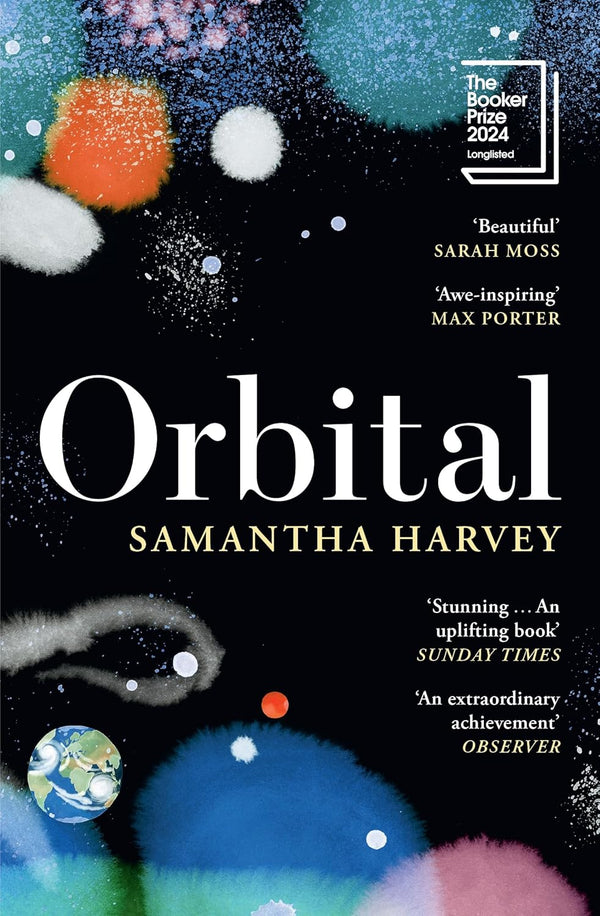
Orbital - Samantha Harvey
A gentle and quite beautiful imagining of the thoughts and reflections of a crew on the International Space Station over the course of 16 orbits of the earth.
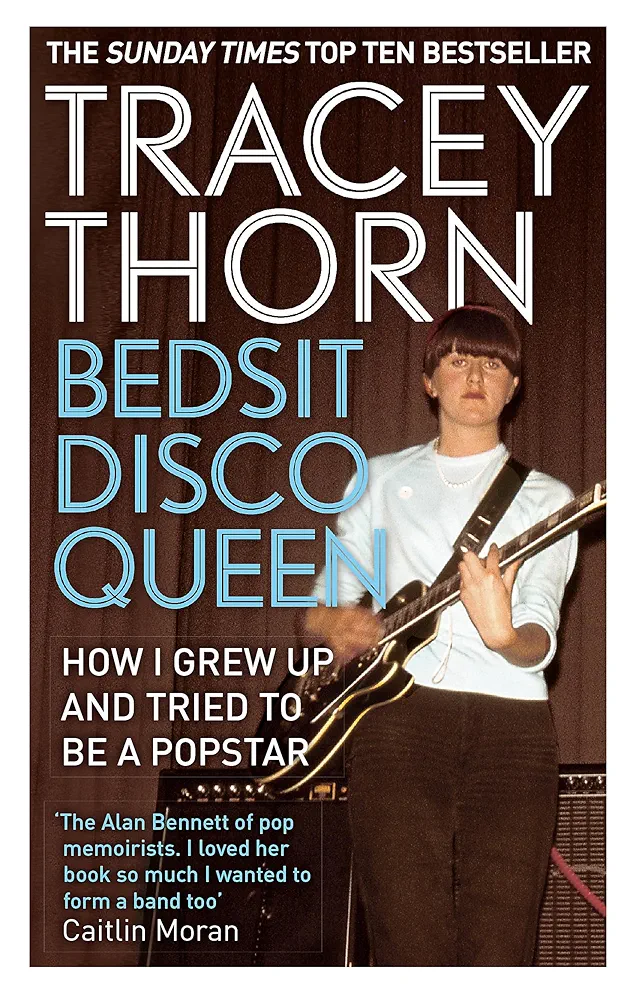
Bedsit Disco Queen - Tracey Thorn
Frank and amusing memoir from the singer of Everything But the Girl, detailing her life on the fringes of pop stardom over the years.
What Art Does - an unfinished theory - Brian Eno and Bette E.
The word ‘unfinished’ is carrying a lot of weight here in this very slight little book. Musings by the always interesting Eno, but perhaps this project needed more rounding out before hitting the shelves.
Waiting for Godot - Samuel Beckett
I’ve probably seen this play more than any other, but time to reread the text.
Memòria distant - Colm Tóibín
The ever-prolific Senyor Tóibín returns with a collection of essays, on the idea of ‘distant memories’ focussed around his early life in Wexford. He gave a well-attended talk on this in the village of Farrera, just up the road.
The Pearl - John Steinbeck
Rereading this classic after so many decades that I couldn’t even remember the plot. My favourite Steinbeck remains Travels with Charley, but I must also reread The Grapes of Wrath.
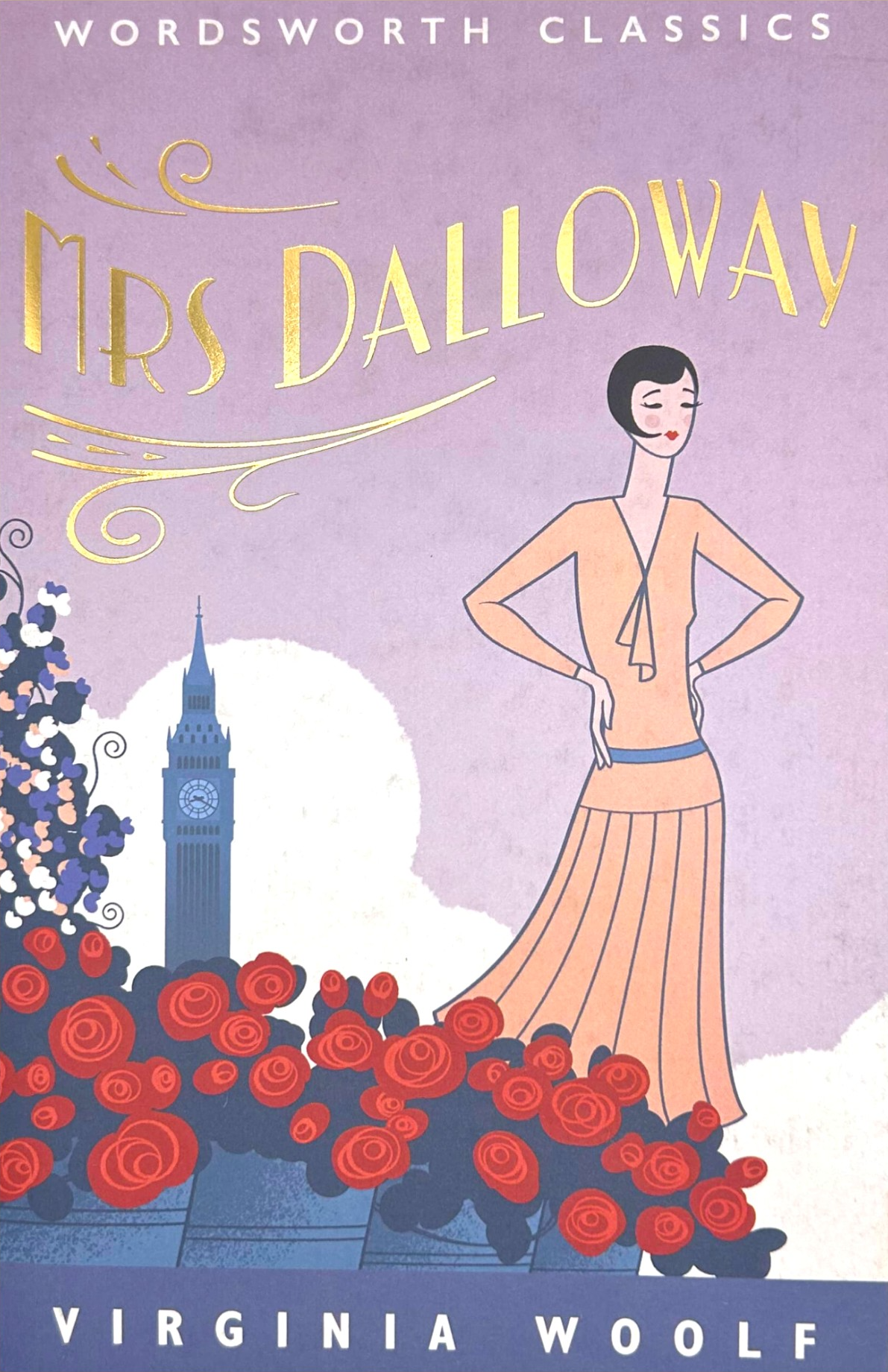
Mrs. Dalloway - Virginia Woolf
The summer of feminist reading continues. What a revelation this book is! How am I only now reading Woolf? A book to savour and read around, and to read again.
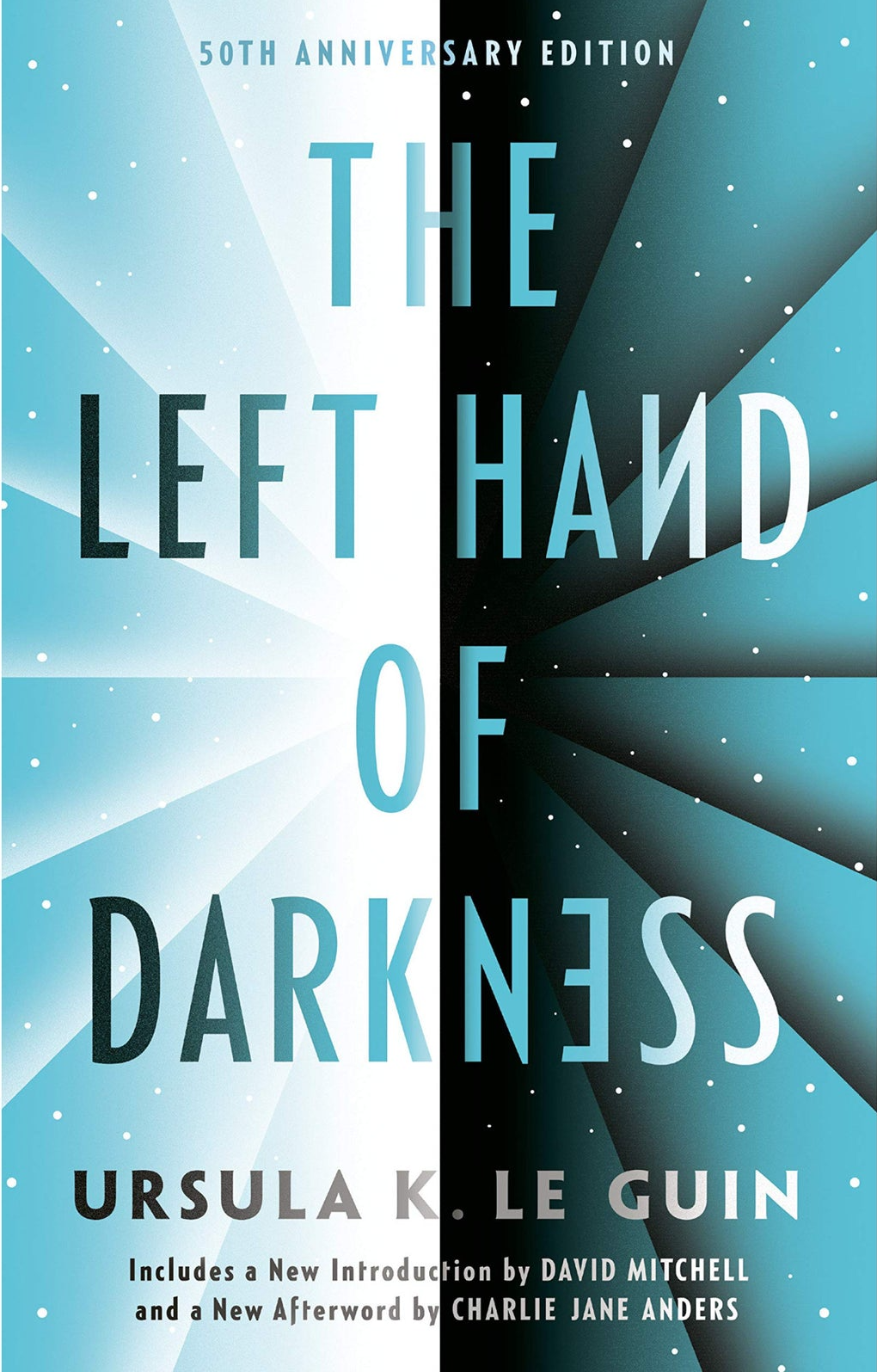
Left Hand of Darkness - Ursula Le Guin
Finally plugging the gap, both in my women writers’ list and in the science fiction genre.
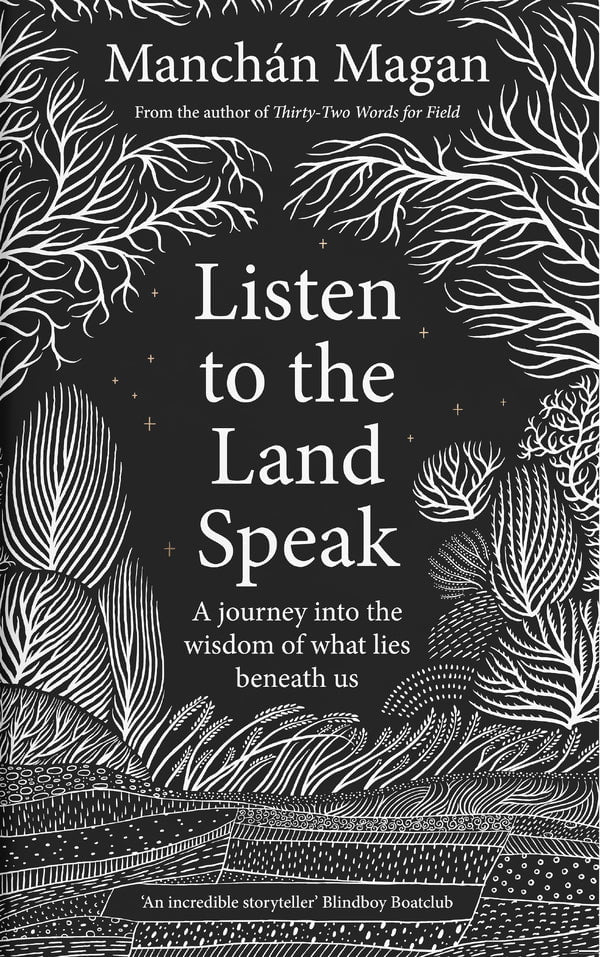
Listen to the Land Speak - Manchán Magan
A wandering philosophy wrapped around the old Irish mythology and ancient places.
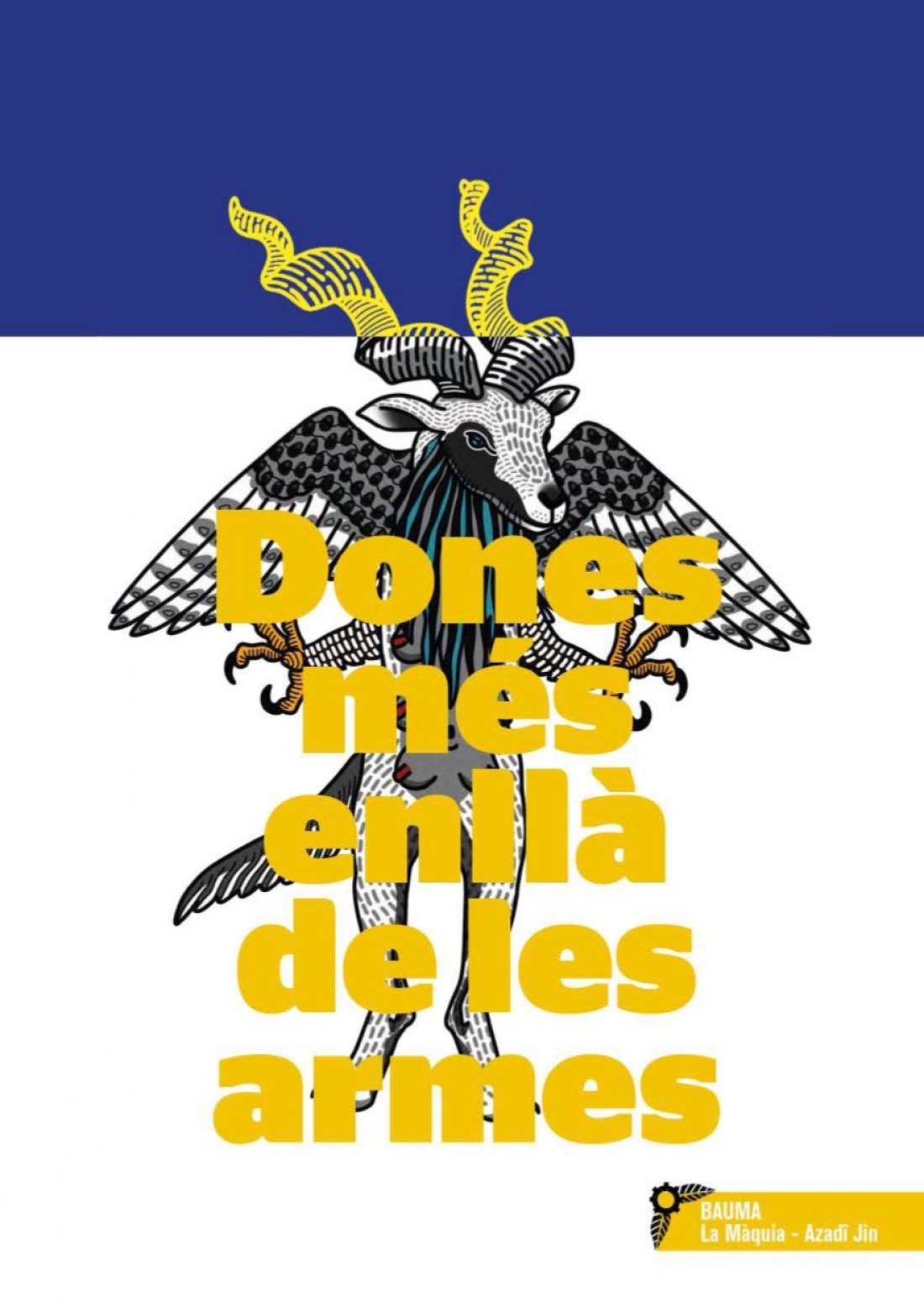
Dones més enllà de les armes - Various authors
This is a transcript collection of verbal accounts given by various women who have been involved in armed struggles around the world. I picked it up at the library in Sort, having joined the library just to do that. I haven’t joined the library since I was quite small! The book was part of a display on for March 8, International Womens’ Day. The photograhic accompaniment in the libary featured two women from the republican movement in the north.
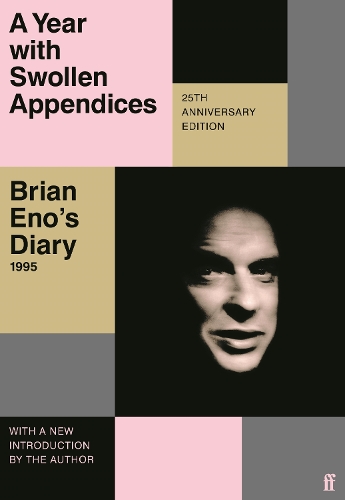
A Year with Swollen Appendices - Brian Eno
When this first came out, 25 years ago, I didn’t ‘get’ Eno and was quite argumentatively dismissive. I wasn’t even young and stupid then, just stupid. In the last ten years or so I have been a little obsessed with Eno’s work, so it’s time to revisit this.
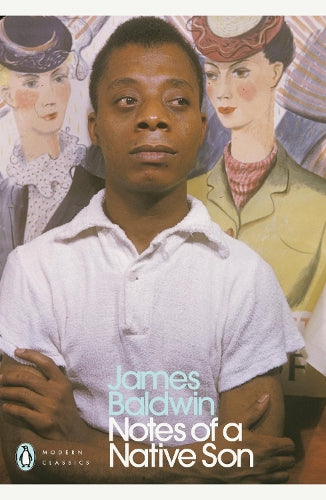
Notes of a Native Son - James Baldwin
The short stories to follow the previous Go Tell It on The Mountain.
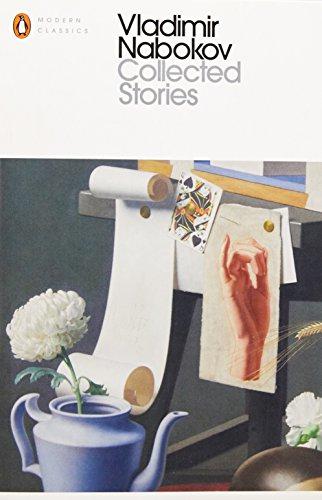
Collected Stories - Vladimir Nabokov
Another dip-in-and-out short story collection. I have to read it in little bits, otherwise I get overwhelmed by the beauty of the language, and the little vignettes of minor characters, created on a whim and then disposed again.
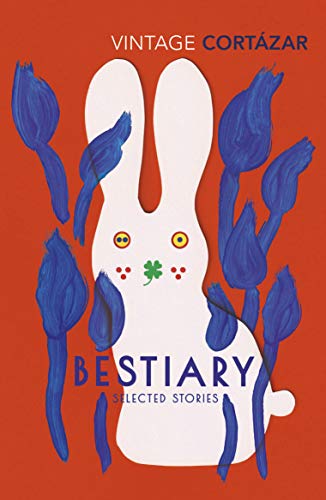
Bestiary - Julio Cortázar
Another big collection of short stories that I’m dipping into and out of for about a year now.
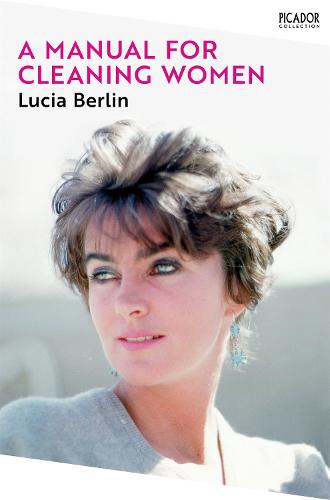
A Manual for Cleaning Women - Lucia Berlin
Took me a few years to find this, after endlessly seeing on those lists of ‘Important Writers.’ A wild ride of interlinked stories, recurring characters, and a notion that it’s not really fiction.
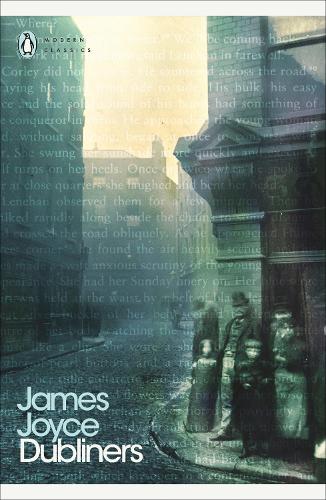
Dubliners - James Joyce
An annual reread, always a joy over Christmas, always something new. The master.
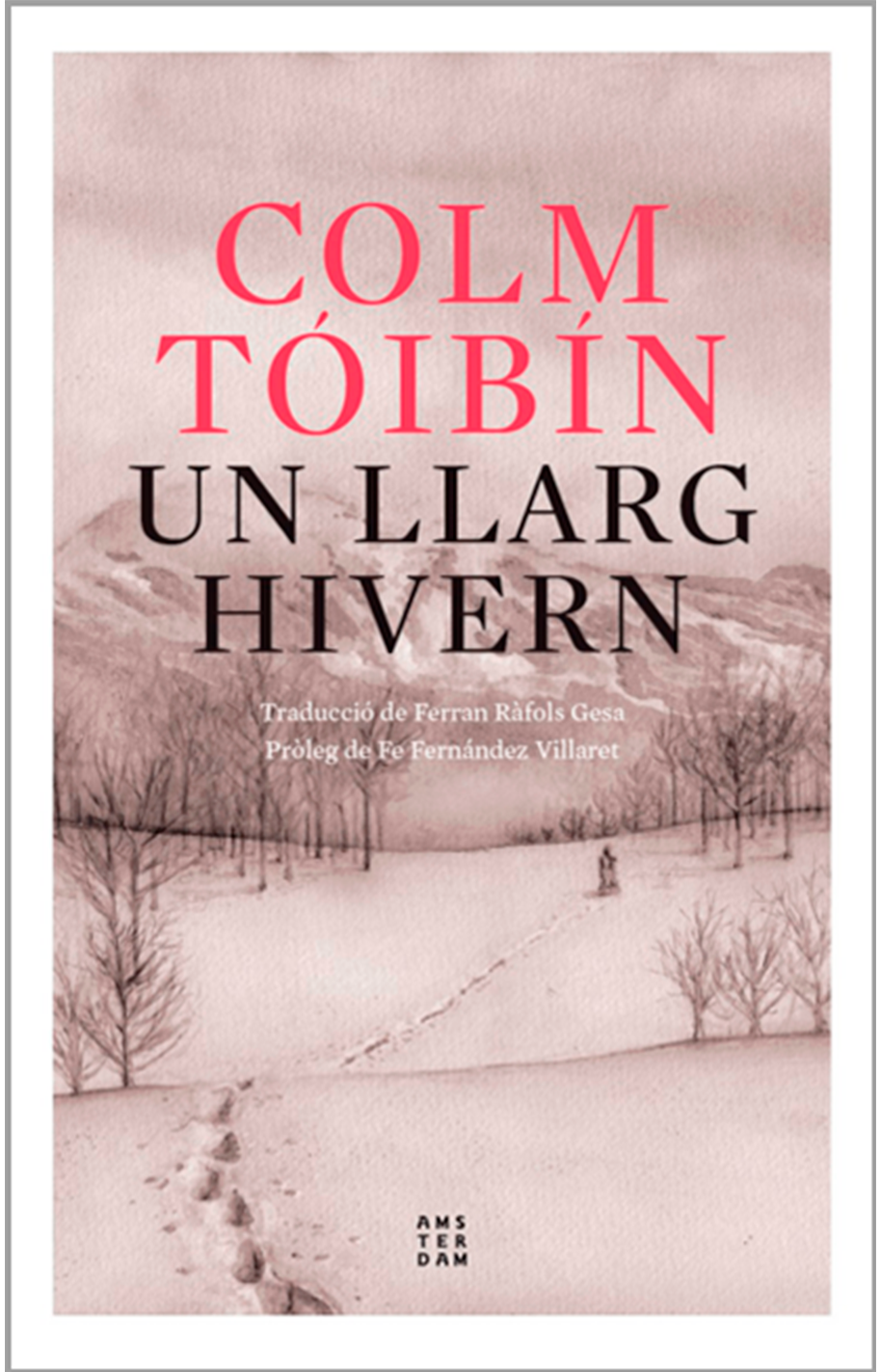
Un Llarg Hivern - Colm Tóibín
Most of what I’m reading in Catalan these days is from our local global Irish writer just up the valley.
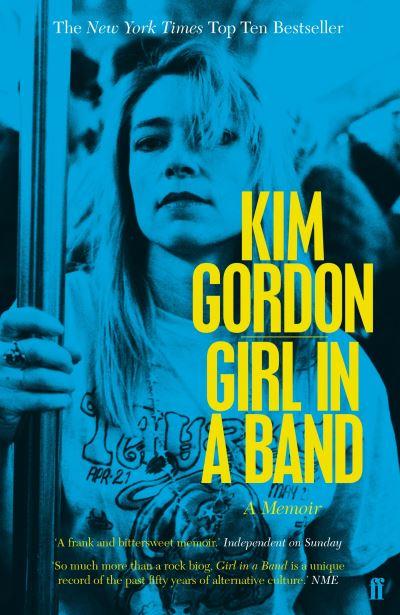
Girl in a Band - Kim Gordon
If she’s not the coolest female bass player called ‘Kim’ of all time, then she’s in the top two. One of the best music books I’ve read.
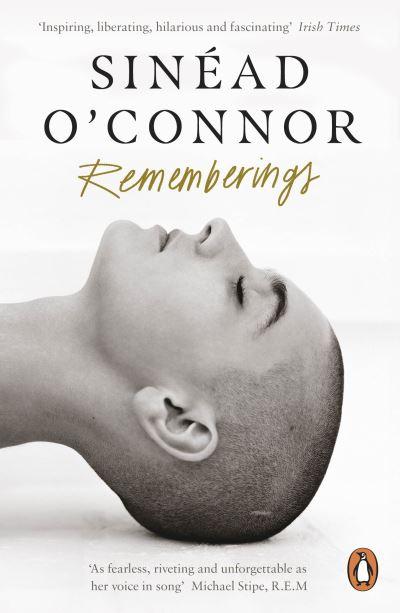
Rememberings - Sinéad O’Connor
Oh Sinéad. Some days I want to talk all day about Sinéad and what she means, but then I can’t formulate a single sentence.
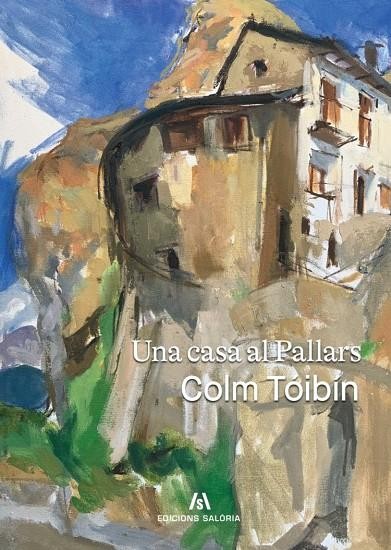
Un casa al Pallars - Colm Tóibín
Tóibín, of this parish, has this Joycean knack of making the local be the universal.
Shallow Time: The Burren - Tom Cookson
A philosophical meandering hung around descriptions of the Couny Clare limestone landscape.
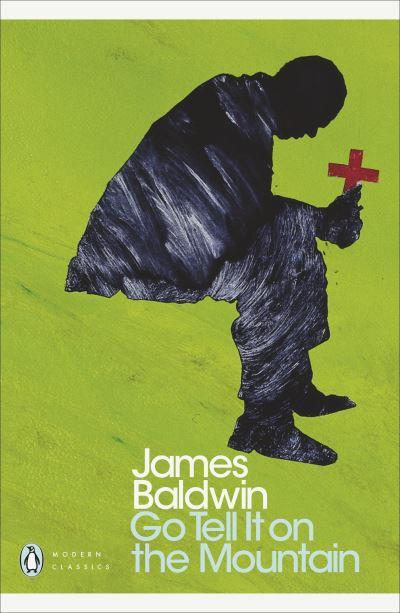
Go Tell It on the Mountain - James Baldwin
Another one I read because it kept coming up on those lists of Important Books. And, unsurprisingly, it’s quite brilliant, even for someone with no patience for things religious.
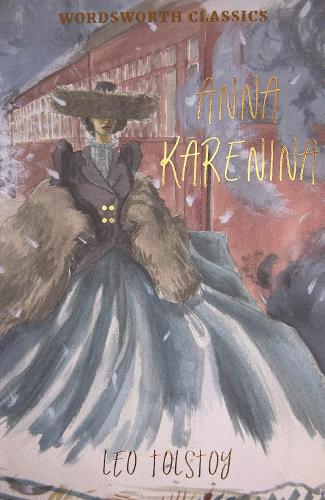
Anna Karenina - Leo Tolstoy
It’s been about 35 years since I read this and then lost myself for years in the fiction of Lev Nikolayevich - time for a reread.
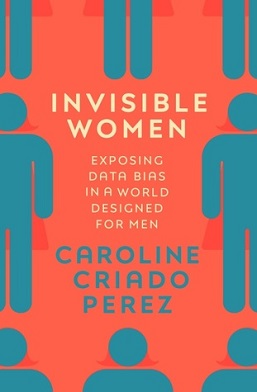
Invisible Women - Caroline Criado Pérez
Data-heavy excoriation of how women are made systematically invisible in the world, where maleness is the default.
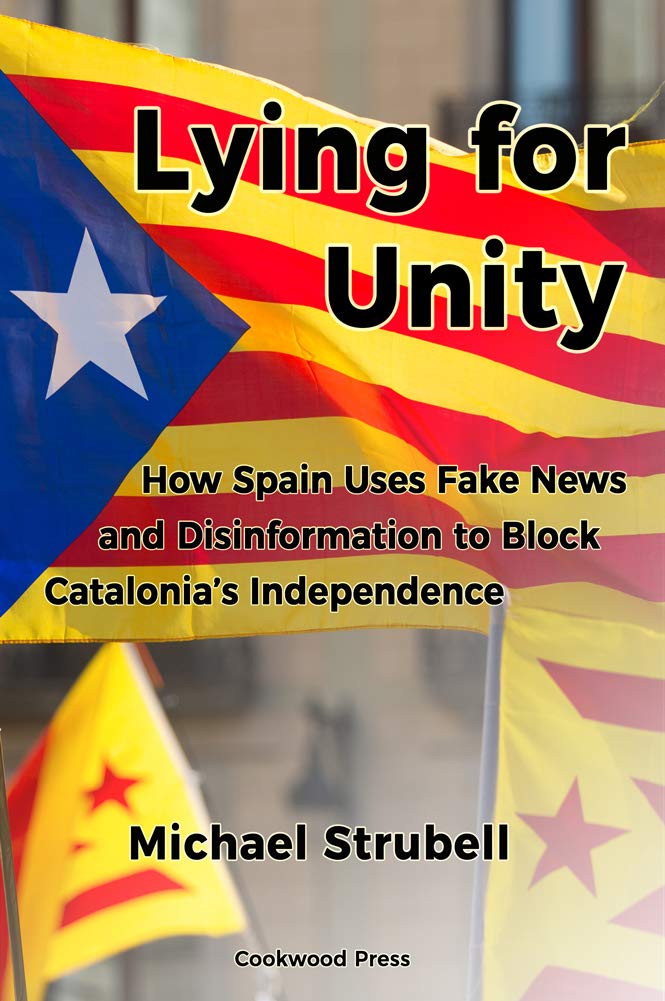
Lying for Unity - Michael Strubell
Commentary on the work of the Spanish deep state in undermining the Catalan independence movement.
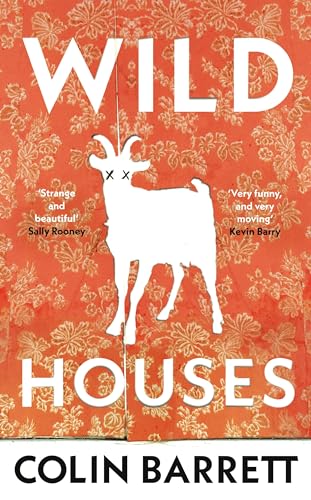
Wild Houses - Colin Barrett
A novel that reads like a long version of one of his short story collections.
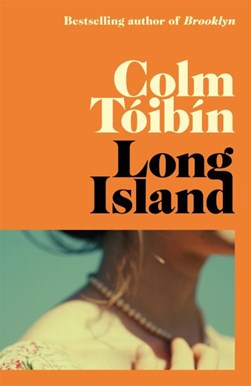
Long Island - Colm Tóibín
The sequel to Brooklyn and just as page-turningly good.
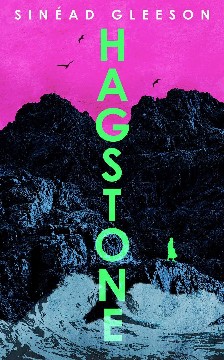
Hagstone - Sinéad Gleeson
Long-awaited second book from the inimitable Sinéad, after her ‘pain’ memoir Constellations.
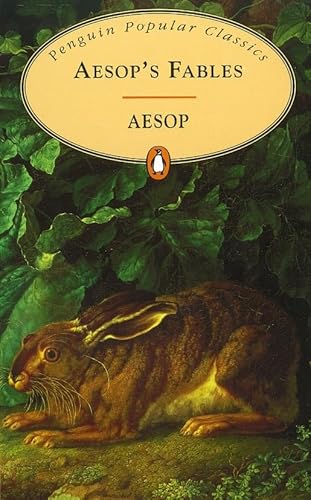
Aesop’s Fables
I’m going through this looking for little stories to tell the children.